
How scary is automation?
2021, pre-GPT edition

This is a post that I originally wrote all the way back in June 2021. I was still prepping for my final year of college, having known that we’ll be opening soon, but I had no idea about the huge theme AI’s gonna become in the years to follow.
I thought of sharing it because of three reasons:
AI eating away jobs has not been a post-LLM phenomenon (for context, ChatGPT was launched towards the end of 2022)
The effects of AI in almost all sectors have been overestimated by optimists and underestimated by the pessimists. As with all things, we’re currently in the boring middle of things.
I’ve not been able to write a lot these days, so I’m pushing out stuff I wrote in the past, just like the Bollywood songs of today which are all recycled garbage versions of the OG songs. At least I’m better because I didn’t publish this yet. Or maybe not, ‘cause this shit’s kinda outdated (but still surprisingly relevant)…
With that out of the way, let’s talk about the topic I was scared to put my thoughts out on my newsletter so far: Eyyy Aaiii 💦
Insert all great things are scary-type quote
Back in London in 1700s, when the mechanized handloom was first invented, people were in an emotionally charged state. I imagine some 16-year old Tom to be fascinated by the working parts of the machine, whereas 45-year old Ed was shit scared seeing the machine as a good reason through which his rich boss would fire him.
Since then, our population has nearly grown tenfold, but the ratio of people dying of hunger is at an all-time low. A lot of people doing manual labour lost their livelihoods, but now we have more people than ever, working way into their seventies, which means that they’ve found more work to do. Per unit impact that people could have created a few hundred years back to now is like comparing an ant’s weight to a flea. Still we can find our own versions of Tom and Ed in our modern society. As they say, some things never change. Most of these universal constants arise from our biology — our perception of fear and excitement has not changed by much over centuries.
There has been a great deal of panic regarding the advent of AI into some of the things people interact with everyday — driving, stock trading, building, curing diseases, designing and even programming. There has been an ever-looming fear that AI’s going to conquer the world in some way, that we’ll become slaves to it. Let’s talk about this existential question later on. For now let’s focus on it’s one of many aspects — employment.
I’d argue that the current deficit of employment is because of two big reasons: lack of skill and upper-level organization. It’s certainly not excess of people, but the excess of people in one narrow domain. With an increasing number of people, there are increasing number of problems. Here’s a hint on the industries that require our attention.
That being said, we have to understand there will always be a demand for humans — humans which have the right set of skills for the right time. We don’t have to work against machines, we have to work with them. Artificial Intelligence, like all the other tools we have, is simply a very powerful tool — who yields it and uses it for what makes all the difference.
This just means that you won’t be paid for heavy lifting. You will instead be paid for what to lift, and how to optimize the method of lifting. Old jobs will perish and new jobs will take its place.
What kind of jobs, you ask? David Epstein in his book ‘Range’ talks about a broader set of skills in combinations no one ever expected, followed by Cal Newport’s advice on working deeply, which has become a rare commodity, to be the best cocktail of traits that we should attack. These could bring more people to the high-value careers they expect. They require some work, they require you work against the tide, but they will end up paying you big, in all currencies. For others, earning enough to put food on your table and sleep soundly should become easier and with the computing power of tomorrow.
At the same time, learning the very intricacies of how things work on the most fundamental level could create new breakthroughs and solve some problems which would otherwise seem impossible to solve by the broad thinker.
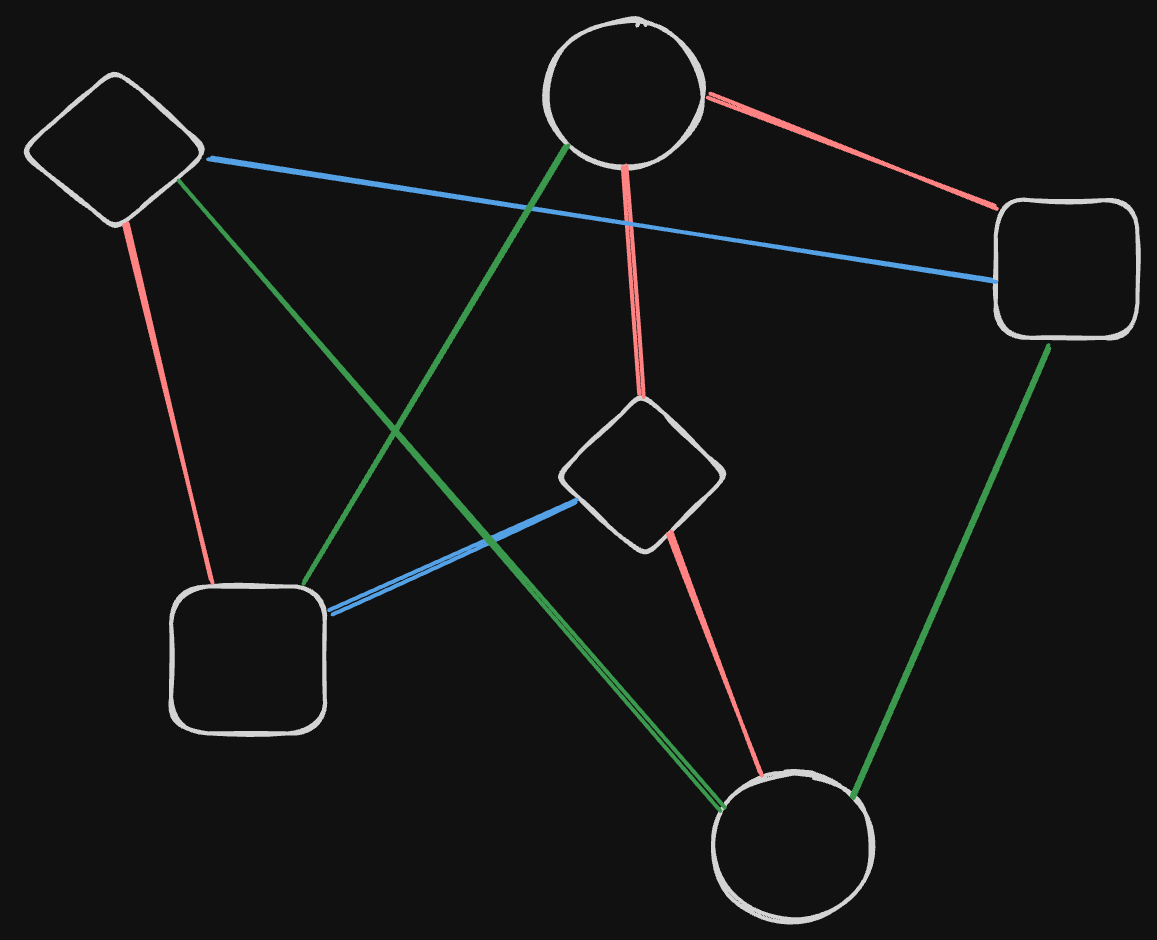
All in all, we need both nodes and connectors — some people who can think deeply and some others who can find creative wonder between disciplines. AI will help both of them do better.
A profound insight for me from "Power and Progress" by Acemoglu and Johnson was that it is never a given that technological progress will benefit humanity. It is always a social choice, dependent on the institutions in the society. A lot of technological progress happened in medieval times as well, for no benefit to humanity at all. Whether AI benefits us or not will be a choice. Let's see what choice we make.