
Tap & Go!
[MLN, Part 1] The best way to get around London, and what to learn from it?

This is the first proper installment from the Mobility in the Land of Nobility series, where I want to share observations and draw connections from how people move in the UK and what we can learn from it.
I’ve been a bit too occupied with work ever since I came back from my trip, and only now have I been able to make time for this post. More to follow!
Part 1 - Tap & Go!
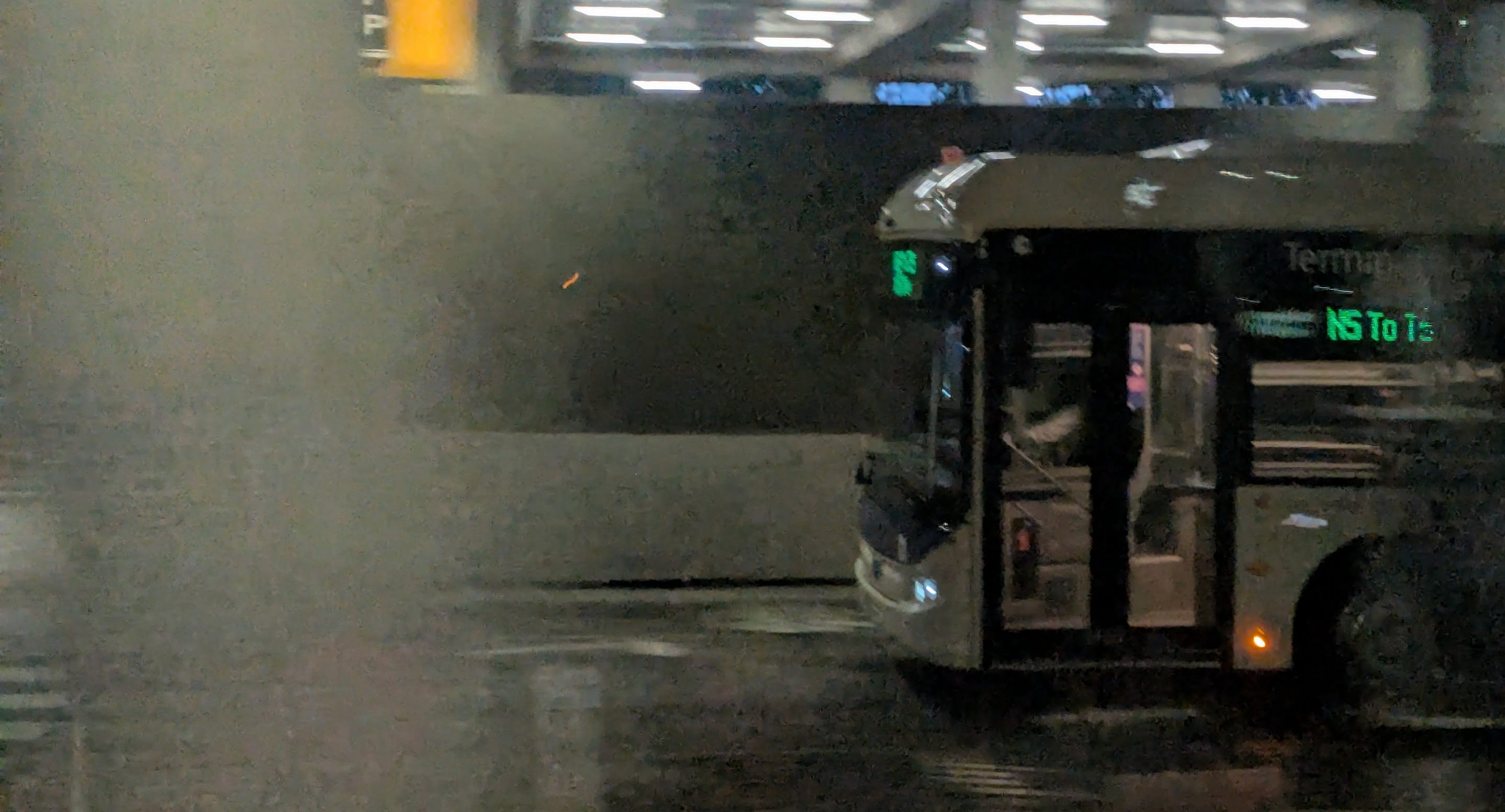
My favourite feature of the London Tube network (which is a very weird-but-extensive network of trains and buses across the city) is the tap-and-go method of travel.
While Dublin relies on travel cards and cash, in London you can hop onto any bus with your credit card (a real one or something loaded on a phone) and tap “in” without really telling the driver where you wish to go. The same goes for the London subways. When you reach your destination, you must tap “out” to exit the tube station. You are charged for the trip on the next day.
Here’s how it works:
Your card is read and stored on Transport for London’s (TfL) database through an anonymized identifier
A temporary authorization charge of ~£0.1 is deducted from the card, which is later adjusted in the fee
If you’re taking the bus, you’re charged a flat fee of £1.75. If you take another bus within an hour, you won’t be charged extra (as it’s perceived that you’re simply continuing on your journey)
If you’re taking the metro or a boat, you’ll be charged based on the minimum fare considering the distance, timing (peak v/s non-peak hours), zones crossed, etc. and a weekly cap is applied so that you don’t have to pay too much for travelling too much
All of these commutes are accrued, and total amount is deducted from the card on the very next day
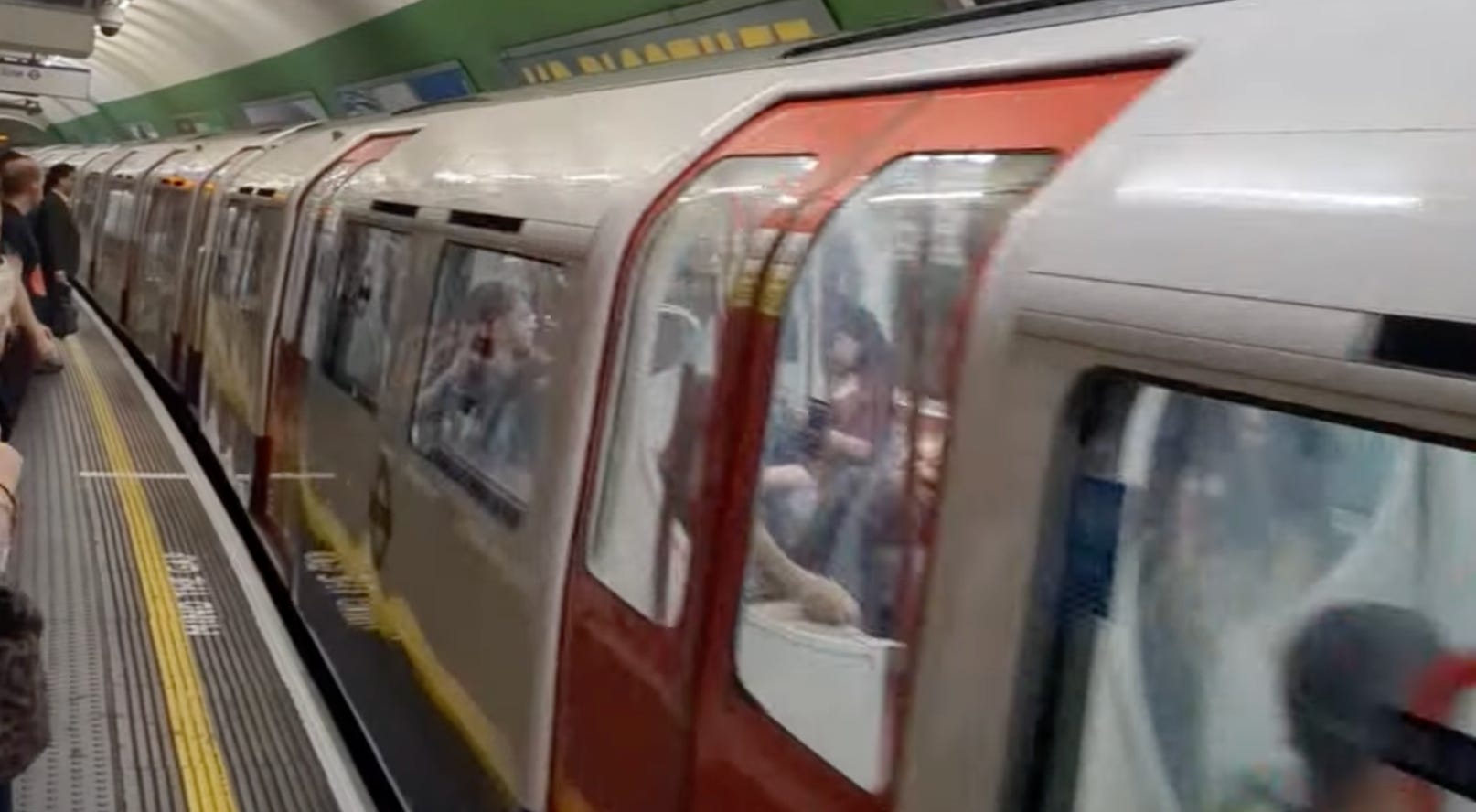
Also, this is only true of the intra-city tube network, and not the trains run by 4-5 semi-private operators across the UK. I’d like to believe this is because of the unpredictability and high cost of operating trains over the tube. Some things to consider:
Before taking a train out of the station, you need to estimate the number of bogeys that will go along the driver engine. For that, you need to have at least a rough number of passengers boarding the train
Train networks don’t see a very high number of regular commuters. Which means that these passengers may be using the trains on a one-off basis, not to use them again in weeks or months.
If you overestimate the number of passengers, you may increase the cost of fuel burnt*[1] to operate the train on its regular path (because pulling more bogeys will require more energy)
If you underestimate this number, you run at a risk of poor passenger experience, a lot of them might have to stand on chair cars (happened to me once during a trip from Oxford to London), making it a bad experience even for the passengers who’re sitting on their seats
Even though it doesn’t scale well for inter-city scenarios, this tap-and-pay approach to the intra-city transport has some obvious benefits and some not-so-obvious downsides, and I’m here to give my personal take on each of these.
Finally, I am trying to determine whether this approach is viable for the Indian public transit network and may help boost its usage.
Advantages
1. Easy-peasy
The tap-to-pay system was so convenient and fun to use that I happily paid the extra ~4% forex that my Indian credit card was charging to transact in GBP. I just needed to look up my route on Google Maps and hop on the tube by tapping my phone on the card reader (I used GPay to set up my card, and it worked like a charm).
2. Freedom of price
It’s clear that TfL is more concerned about Londoners using the tube instead of generating the most profit per passenger, as should all public transport services do.
Upper caps on the tube will encourage commonfolk to use more of the service, eventually helping the service stay afloat financially. No matter how far you go, you’d need to pay at most ~₹400 for your bus ride.
This is the only mode of transport which was reasonable within the Indian standards. It’s a steal for someone who’s earning in £££.
A centrally-managed cost structure across the London Tube network provides much room for creativity. Imagine TfL deciding to offer a 50% off for all travelling passengers during national holidays. Such as system could be programmed very easily on the same day because anyway the revenue has to be collected the next day.
3. Rush hour? Move fast!
As the bus driver, if you don’t have to attend a long queue of incoming passengers, asking them where they want to go and handing them a ticket everytime, you’d save up on a lot of time and effort, which you can direct towards keeping the bus on time. This becomes even more important and useful during rush hours.
This especially helps a labour-deficient market like the UK, where you’d typically see the same bus driver:
Driving the bus
Stowing passenger luggage
Helping outsiders through their route-related doubts
Helping passengers be entertained through some poorly-rehearsed dad jokes
The Europeans have figured out a way to work and live alone. I'm not sure if this is the best way to do it, but it surely helps their case!
4. One card, many places
Going back to the convenience point: the card that I used to pay at the restaurant is the same that I’d use to pay for any of my tube rides across the city. I don’t have to buy a different travel card, create new QRs or purchase physical tickets.
In fact, buying tickets ad-hoc will cost you more in a lot of situations than using your credit card and availing the cost-capping benefits I described earlier.
5. No competition, duh
It also helps that Ubers are goddamn expensive in the UK, and the tube is almost as cheap as commuting in India. You can’t go door-to-door without shelling something like ₹1000-1500 for travelling between two points less than 5 km apart!
True story: I paid £12+ for a 3.5 km ride using an Uber, which would’ve cost me roughly £2 on the double-decker bus! Don’t ask me why I did it.

Disadvantages
1. Once you tap you can’t go back
My friend and I tapped on the Uber boat running across the River Thames, only to realize that the last boat left the shore 30 minutes ago. Since we had already tapped in, we had to make peace with the £1-3 that were to be charged on our cards. Pretty expensive for not going anywhere, innit?
Kinda obvious, but the payment counters should be disabled when the last bus/train/boat has already departed. Having a basic LED monitor which shows how much your card will be charged and whether the stop/port is functional at all could be great, but it doesn’t exist today (for reasons which could also be slyly intentional).
2. Don’t have a credit card? Get one!
For such a system to work and show effects, you need a large number of credit-enabled passengers. If there are passengers who don’t carry their credit card, they need to pay in cash or get themselves an Oyster card. As a tourist with no credit card, that could be a problem, but there’s a baseline expectation of having a tap-to-pay card during your trip to Europe if you’re coming from India.
3. Responsibility on the driver and chances of fuck-ups
This approach can be misused in low-social-trust, high-population societies like the metros of India. Imagine boarding during the rush hour and not tapping in at all. Since London buses typically don’t have a conductor, the driver may not be able to police the passengers, especially if too many of them are too many.
Just for the thrill of it, I was able to get away with a free ride by just climbing on the bus and heading straight to the upper deck of the London double decker. I felt a bit too uncomfortable and guilty to do it a second time though!
No matter what you do, you need a baseline social trust within society for any system to work. I’ve talked about it at length in this essay.
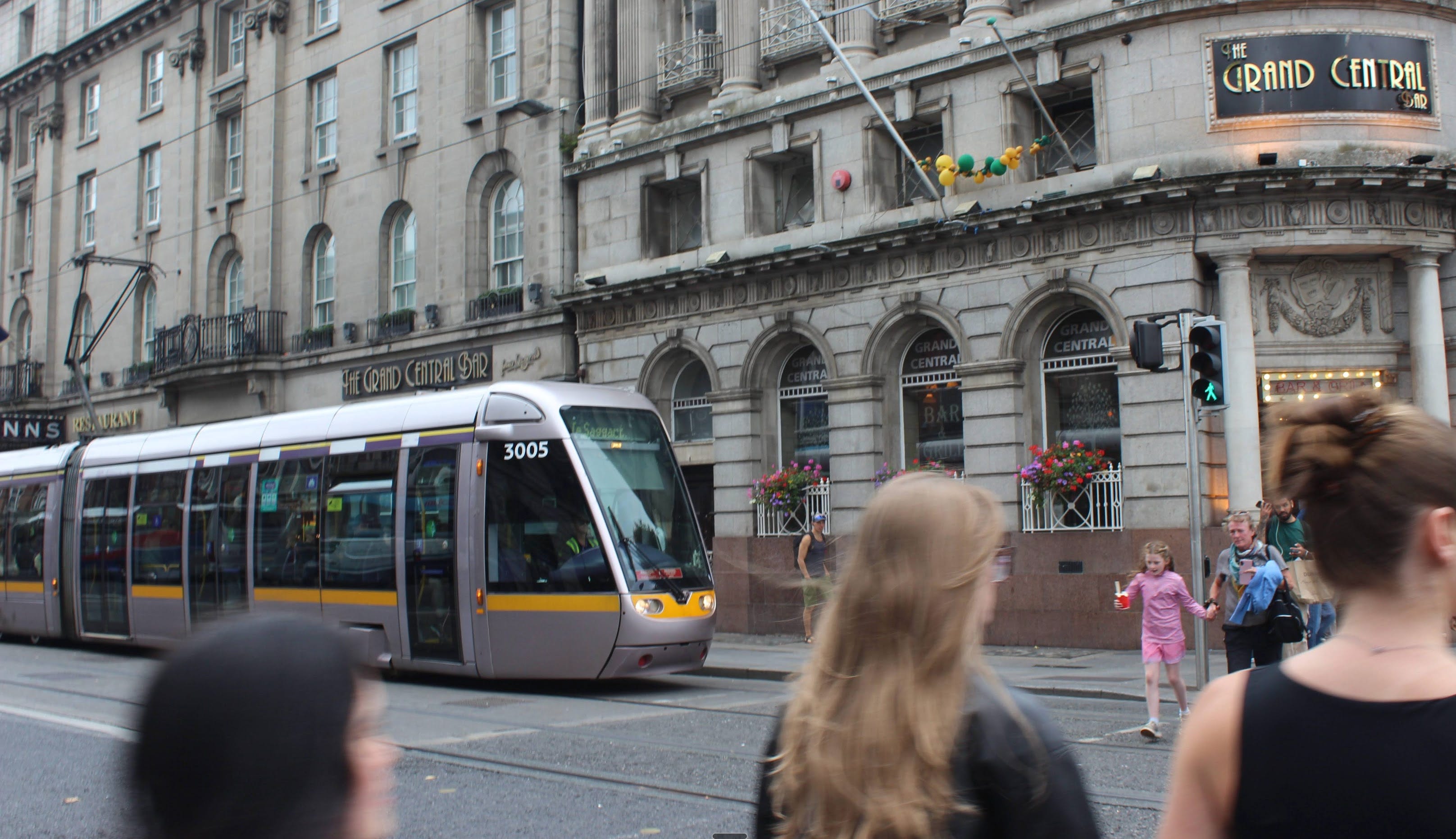
Can we recreate this in India?
Now here’s the million-dollar crore-rupee question: will this system of public transit and payment work in India?
Even though I’d love to see it here, my verdict here would be — not quite, not yet. Not without adjustments, at least.
The reasons behind it are pretty simple:
Credit penetration in India still lags at about 5-6%, compared to the 62% in the UK. It’s fair to assume that a megapolis like London would easily cross 70%+. Low number of credit cards among the common folk in India means that people won’t be able to avail a lot of benefits of this system
The variable cost structure and get-charged-next-day features found in the London tube might generate confusion and a lack of trust in the minds of price-sensitive Indian consumers. We put an outsized effort into negotiating for value-for-money over experience, which might not be a bad thing at all — it’s just the way we roll in India!
Finally, it’s sad to say, but the lack of social trust and well-to-do people trying to haggle away/misuse public resources for the tiniest expenses remains a big problem for the biggest Indian cities. As my friend Mrdul has put it in his essay, fraternity is an immeasurable yet important indicator of a progressive society. Not having a shared sense of responsibility for public goods like buses can deteriorate the experience for everyone over time and burn the system to the ground due to unprofitability. There’s a reason why public transport is frowned upon by anyone who can merely afford a cab. The reasons are also sometimes justified: safety, hygiene, time v/s cost.
That being said, we can still target a robust public transit system; never in the history of this country were buses and metros across Tier-1 cities needed more than today. In fact, foundations for these are being laid across as we speak. Think of these examples:
Being able to purchase Delhi Metro tickets using WhatsApp
RuPay NCMC cards that could act as credit cards as well as transit cards
Multi-mode tickets through ONDC-based Namma Transit and Tummoc, which work in ways very similar to Stockholm’s SL app
I’ll talk more about these and my experience using each of these in posts to follow.
I know this has been quite the post, and no attempt to shorten it could get this under 1500 words. But hey, I hope you enjoyed reading it! If you’d like to nerd over public mobility, feel free to shoot me a DM and we can have a coffee chat in Bangalore or Delhi.

Take care and keep moving!
Cheers,
Samyak