
Mobility in the land of Nobility
Unstructured notes on the British transport system, recorded during several train trips across the UK.

Part 0 - An introduction
Indians may hate the British all they want, but there's one thing they did well. Even if it stood to benefit them during that time. It's the introduction of some pieces of modern infrastructure: like trains!
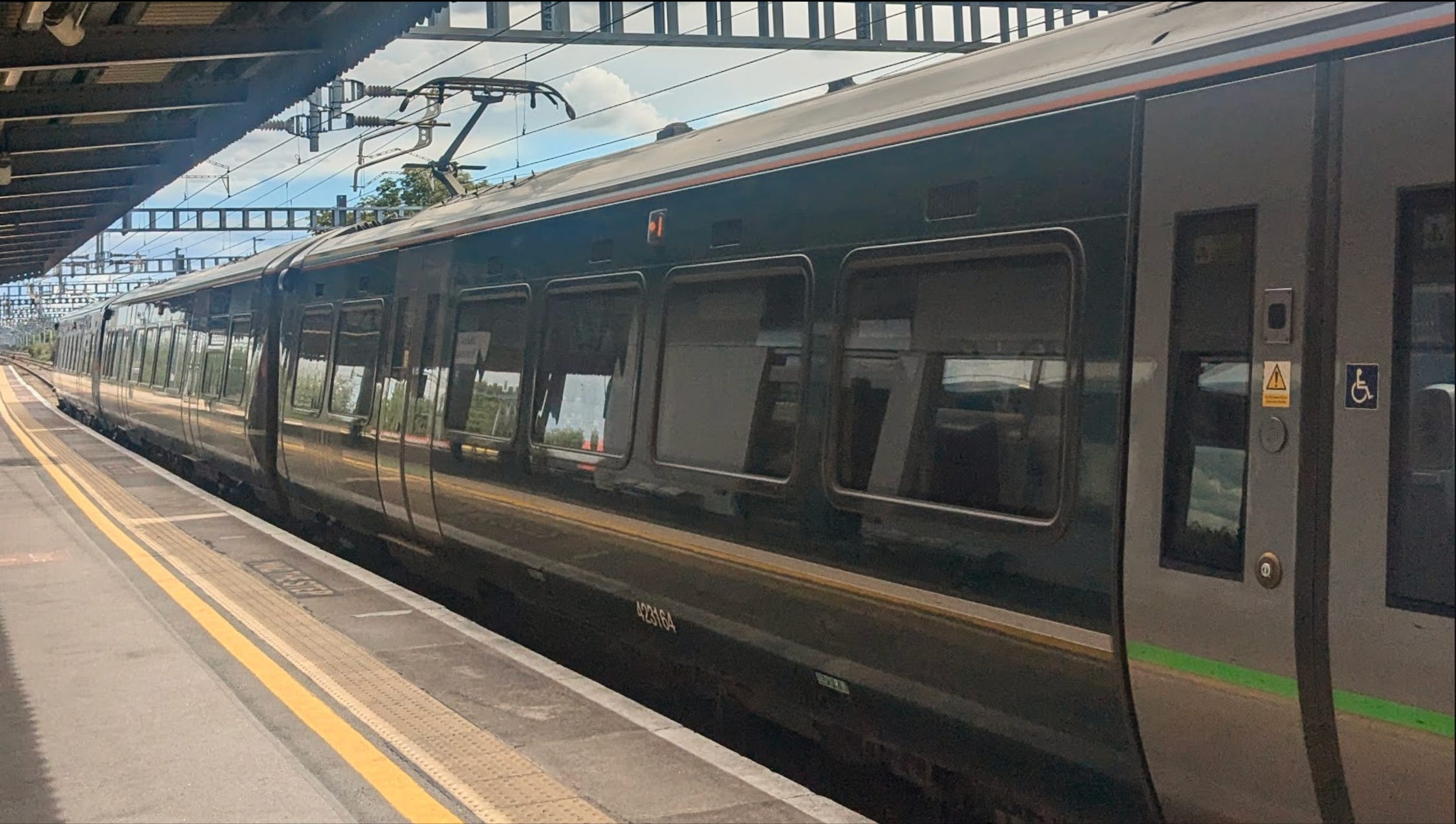
The first rail line between Bombay and Thane was introduced all the way back in 1853. This was barely 22 years after the first rail line in the world was introduced between Liverpool and Manchester. It's important to mention that 22 years in the 1800s were a lot smaller than 22 years in the 2000s purely in terms of technological progress.
So, it's safe to say we had an early bird ticket into this wood-steel-and-coal madness.
Today, India is one of the most well-connected railway systems in the world. It's the fourth-largest network and perhaps the most electrified train networks in the world, with lines and stations scattered everywhere on the map of the country.
In the name of writing discipline and my newfound fascination with trains and city transport in general (tbh I've just gotten bored of flights), I'll be posting some unstructured thoughts and views that I captured from English and Welsh trains during my trip to the UK. There are some big lessons for us, and interestingly, some things that we're doing better already.
I'll compare and contrast how is the process of moving about different for developed countries like those of the UK and Europe, and see if we can derive any lessons from them as a developing nation ourselves. I'll also peek into a few things that we're already doing better than our Western counterparts.
Since I wrote most of this during my train rides in the UK and my flight back to India, I'll focus mainly on the means of transport that I saw in the UK and Ireland in the posts to follow.
Mobility is that ether in our society which is often overlooked when present, but hits hard when it's absent. In the ever-stationary roads of Bangalore and water-clogged streets of Gurgaon, we come to terms with its weaknesses and curse the weather gods and global warming for the puddles and Olympic-sized swimming pools on the main roads of Marathahalli or Sector 32.
In the expansive 8 and 16-lane expressways between Gurgaon/Mumbai or Noida/Agra, we bless the same weather — always making plans for roadtrips and hunting for memories that might last us a lifetime.1
How easily you can move about in a city is a strong determinant of how progressive and vibrant the city is. A still city is a stagnant city, with a lot of hidden potential and perhaps opportunities for new economies. So that's why having this conversation becomes all the more important if we want to assess for our ourselves how good we're doing in the 21st century so far, and what's the direction that we should take to become the “vishwaguru” that we’ve set ourselves to be by 2047.
Fun fact: I started this newsletter titled "Every Place has a Soul" and I wanted to capture cultural aspects of travelling and observing different places. I had just come back from my trip to Finland & Sweden back then. I was fascinated by how people move. The first newsletter topic that I had on my mind was the public transport system of Finland. So, yeah, it's kind of a full-circle moment for me as this topic becomes a Masala Dew conversation.
I'm so excited about the posts to follow2. Let's begin!
Cheers,
Samyak
Clearly, I’m an NCR boi :3
These posts might not go out in the same order. I might write about other things in between as well.